Efficient heating and cooling choices
Heat pumps can heat, cool and dehumidify your home while saving energy* and improving comfort year round. A home energy assessment is not required.
Get started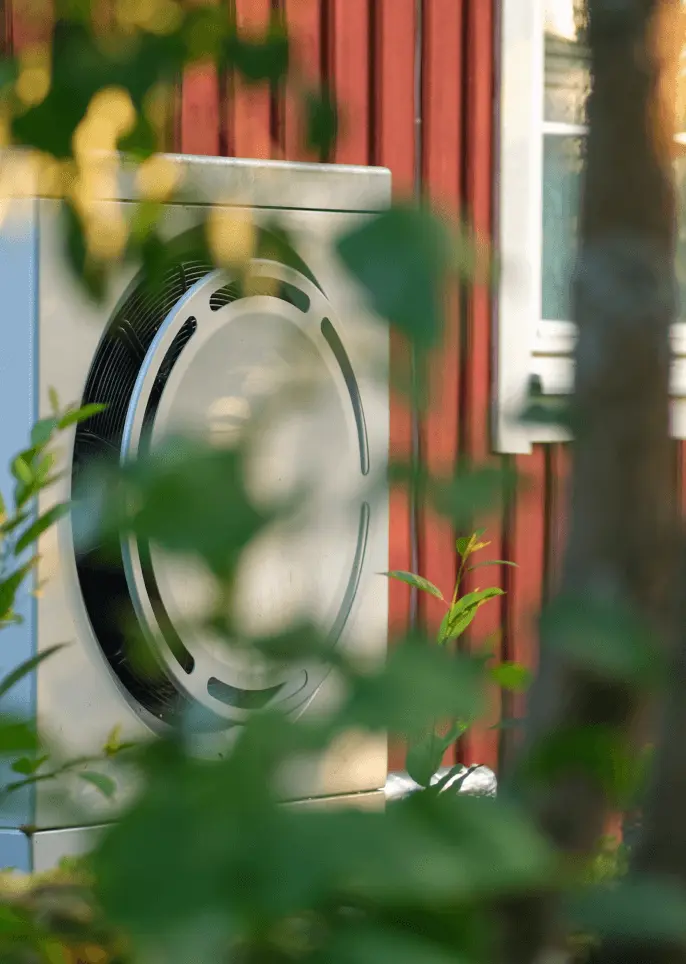

Determine the rebates that are right for you based on your home’s existing primary heating source

Enbridge Gas customer and heat your home with natural gas?
-
Cold climate air source heat pump
$500/ton Incentives are calculated based on the minimum rated heating capacity at 8.3C (47F).
Up to $2,000† back
-
Ground source heat pump
$3,000† back

Heat your home with electricity, oil, propane or wood?
-
Cold climate air source heat pump
$1,250/ton Incentives are calculated based on the minimum rated heating capacity at 8.3C (47F).
Up to $7,500† back
-
Ground source heat pump
$2,000/ton Incentives are calculated based on closed loop capacity.
Up to $12,000† back

Looking to rent a heat pump?
Eligible for electric, natural gas, oil, propane and wood primary heating sources
-
Cold climate air source heat pump
$500/ton Incentives are calculated based on the minimum rated heating capacity at 8.3C (47F).
Up to $2,000† back
-
Ground source heat pump
$3,000† back


How do heat pumps work?
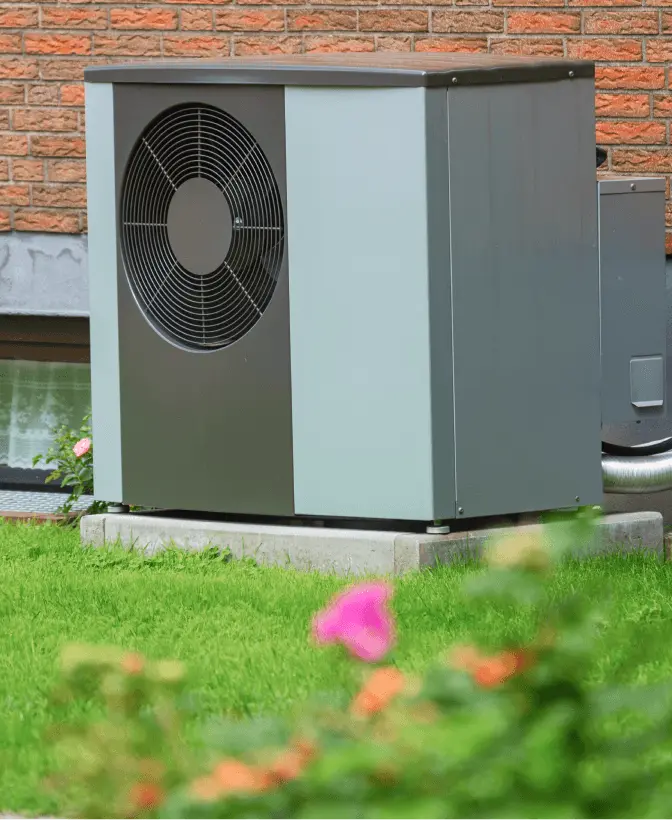
A heat pump is a high efficiency system that can transfer heat energy to and from your home. This means it can both heat and cool your home for year round comfort.
There are two main categories of heat pumps
Cold climate air source
- Use the air to transfer heat into and out of your home.
- Cold climate air source heat pumps are a type of air source heat pump specially designed to work in temperatures as low as -30°C.
- Air source heat pumps are the most popular type in Canada.
Ground source
- Use the ground to transfer heat into and out of your home.
- Because underground temperatures are warmer and more stable than air temperatures in the winter, ground source heat pumps operate more efficiently than other types of heat pumps at lower temperatures.
- May be best for properties with space available for underground loops.
Sources: Natural Resources Canada, Save on Energy.
Qualified Products
If the unit you are installing is a cold climate air source heat pump or a water-to-air ground source heat pump, it must be an active model that is listed on Natural Resources Canada’s qualified products list for either cold climate air source or ground source heat pumps. Water-to-water ground source heat pumps must be on the Energy Star Geothermal Heat Pump List and available in Canada.
Work with a participating HVAC contractor to understand your options and choose the best heat pump for your home.

How to qualify
To qualify for a heat pump rebate, you must:
-
Own the home where the heat pump will be installed. Where an owner has tenants, the owner must apply.
-
Be an Enbridge Gas residential customer with an active account and primarily heat your home with a natural gas furnace or boiler OR be connected to the Ontario electricity grid and heat your home with electricity, oil, propane, or wood.‡
-
Live in a single detached, semi-detached, row house, townhome, or mobile home on a permanent foundation. New build homes do not qualify (i.e. homes that have been occupied for six months or less).
See detailed eligibility requirements on our Terms and Conditions page.
Cornwall Electric customers are connected to the Hydro Quebec electricity grid. Therefore, they are not eligible to participate unless their home is primarily heated by Enbridge natural gas.
How to get your rebates
-
1. Confirm your eligibility
Complete this short form to confirm your eligibility and to receive a list of participating HVAC contractors.
-
2. Choose a participating contractor
Choose one of the contractors from the list of participating HVAC contractors. They will help you choose the best heat pump for your home, and submit your pre-installation application.
-
3. Complete upgrades
Once your pre‑installation application is approved, your contractor can install your heat pump.
Important: Pre‑approval is mandatory. Installations done before approval are not eligible for rebates.
-
4. Receive your rebate
Your contractor will complete a post installation application. Once your post installation application is approved, your cheque should arrive by mail within 60 days.


